
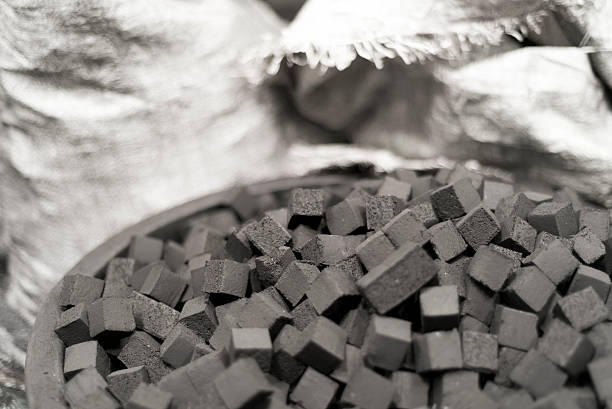
Coconut shell charcoal how to light properly is essential for shisha lounges and professional grilling businesses worldwide. This fuel delivers stable heat, minimal smoke, and longer burning performance than traditional wood charcoal. Moreover, quality production from compressed coconut shells supports consistent ignition results. To understand the process behind reliable briquettes, you can learn how to make briquettes from coconut shell and see how manufacturing affects performance. This guide explains practical steps to light briquettes safely and efficiently.
Coconut Shell Charcoal How to Light Guide for Beginners
First, choose a reliable heat source such as an electric coil burner or a gas stove. These tools generate strong and consistent heat required for dense coconut briquettes. Next, place the charcoal on a heat resistant metal surface or burner coil. Ensure enough space between pieces to allow proper airflow during combustion. Good air circulation accelerates ignition and prevents uneven burning. Then, turn the heat to a high setting for faster results. Most briquettes require five to ten minutes to ignite completely. However, larger sizes may need additional heating time.
Coconut Shell Charcoal How to Light Guide Using Electric Burner
An electric coil burner provides consistent temperature and works efficiently for indoor environments. Place each briquette directly on the heated coil without stacking them. After that, monitor the surface color while heating continues. Rotate each piece carefully to expose all sides to direct heat. This action ensures balanced ignition across the entire briquette. Wait until the charcoal glows red and forms a thin ash layer. At this point, the briquette produces stable and even heat output.
Coconut Shell Charcoal How to Light Guide for Even Heat Performance
Even heat distribution determines the overall quality of your shisha or grilling session. Therefore, never remove the charcoal before it fully ignites inside. The outer layer may appear ready while the core remains unlit. Consequently, incomplete ignition reduces heat stability and shortens burning duration. Always allow full combustion before transferring charcoal to your application. Additionally, maintain consistent high temperature throughout the process. Proper technique guarantees reliable performance and longer lasting heat.
Coconut Shell Charcoal How to Light Guide and Common Mistakes
Many users attempt ignition with low temperature to save energy. However, low heat significantly slows the combustion process and affects efficiency. Another common mistake involves failing to rotate the briquettes during heating. Uneven exposure creates partially burned surfaces and inconsistent heat output. Some users also rely on weak burners that cannot sustain high temperatures. Therefore, invest in suitable equipment to improve lighting consistency. Adequate airflow also supports faster and cleaner combustion results.
Why Quality Charcoal Improves Ignition Results
High quality briquettes ignite faster and maintain stable heat for extended periods. Manufacturers control moisture content and compression levels to achieve optimal density. As a result, premium coconut shell charcoal produces minimal ash and clean combustion. Consistent production standards also simplify the lighting process for commercial users. For export grade briquettes with reliable performance, visit jacoid.com for detailed specifications and supply information.
Conclusion
An electric coil burner provides consistent heat and supports the coconut shell charcoal how to light guide for indoor use. Place each briquette on the heated coil without stacking them. Rotate the pieces to expose all sides evenly to direct heat. Wait until the charcoal glows red and forms a thin ash layer. The briquette will then deliver stable and even heat output.

