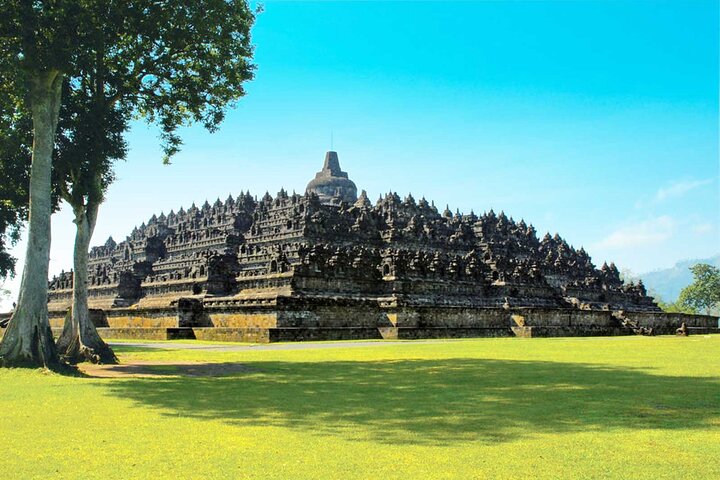
A Prambanan Temple Travel Guide helps travelers explore one of Indonesia’s most impressive Hindu heritage sites. Located near Yogyakarta, Prambanan Temple represents ancient architecture, religious history, and cultural traditions that have survived for more than a thousand years.
Many travelers visit Prambanan because of its towering structures and beautiful landscape. However, the temple offers more than a scenic attraction. It provides an opportunity to understand ancient Javanese civilization, Hindu philosophy, and remarkable artistic achievements.
For travelers aged 25 and above, exploring Prambanan creates a meaningful cultural experience. The temple allows visitors to connect with history while enjoying one of Indonesia’s most iconic destinations.
History Behind Prambanan Temple
The Prambanan Temple Travel Guide begins with understanding the origin of this magnificent monument.
Prambanan was built during the 9th century during the Mataram Kingdom period in Central Java. The temple complex was dedicated to the Trimurti, the three main Hindu gods: Brahma, Vishnu, and Shiva.
The central structure honors Shiva, who is considered the most important figure in the complex.
Ancient builders created Prambanan as a place for worship and religious activities. The temple reflects the influence of Hindu culture in Java during the classical period.
Travelers can explore more about Prambanan’s history, architecture, and cultural significance through this complete guide to Prambanan Temple and the biggest Hindu temple in Indonesia.
Exploring the Architecture of Prambanan
Prambanan is famous for its impressive architectural design.
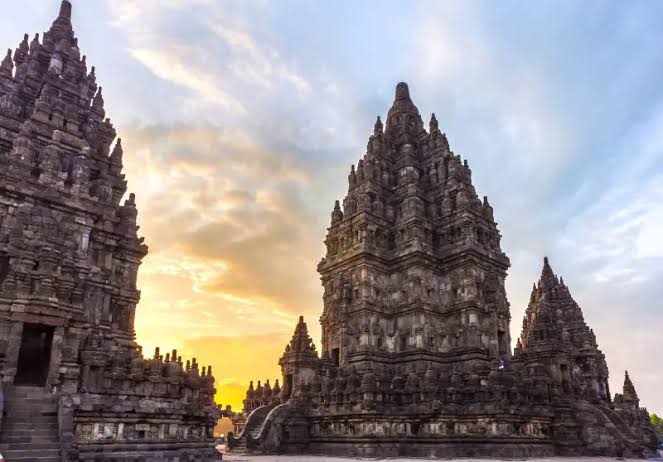
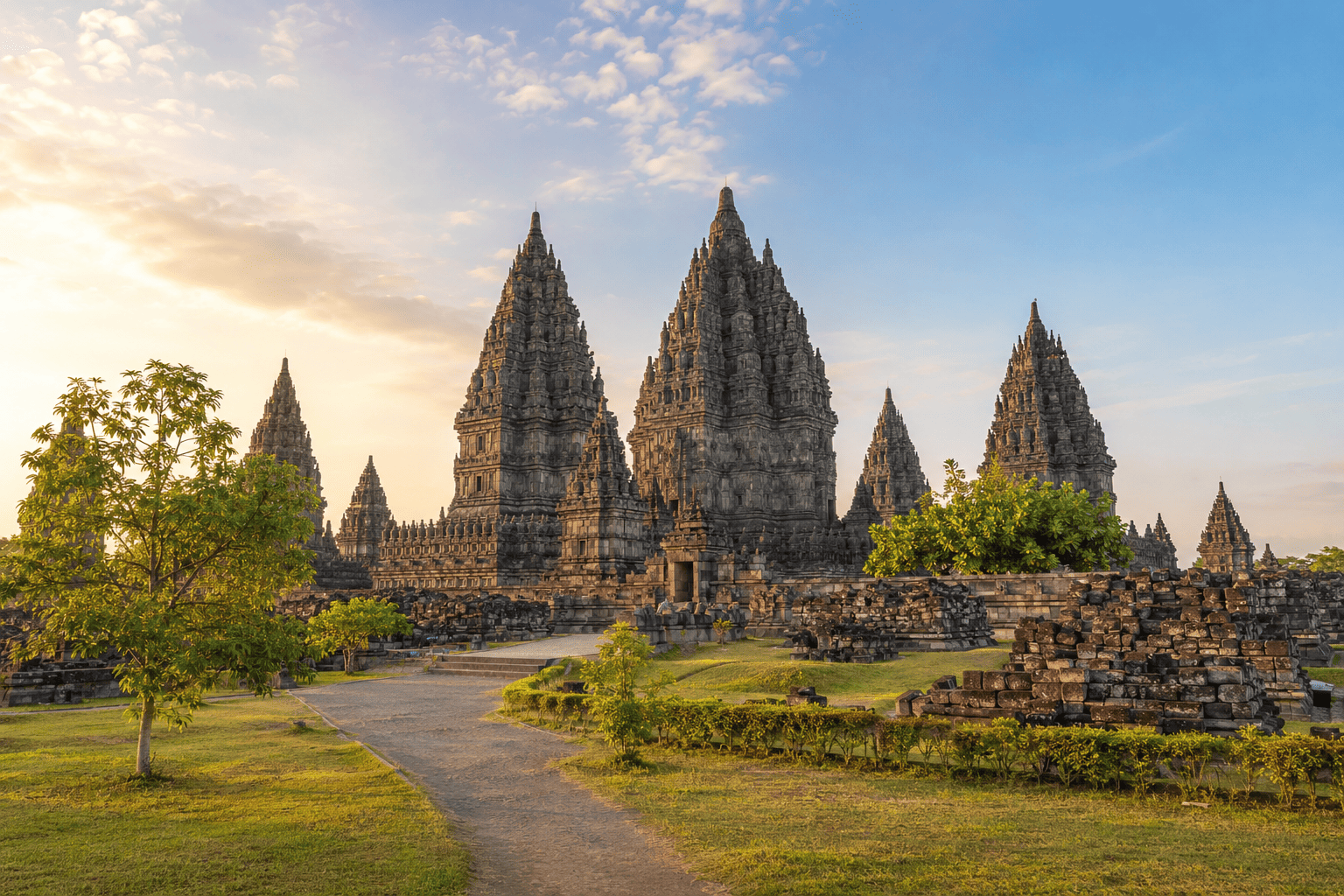
Temple complex contains tall structures with detailed stone carvings. The central Shiva temple reaches a height of more than 40 meters, making it one of the most remarkable ancient buildings in Indonesia.
The design reflects Hindu architectural principles.
Each temple section has symbolic meanings connected with Hindu beliefs.
Furthermore, the detailed carvings show the advanced artistic skills of ancient Javanese craftsmen.
The combination of height, symmetry, and decoration makes Prambanan a unique historical monument.
Discovering Stories Through Stone Reliefs
The relief panels at Prambanan provide valuable information about Hindu mythology.
Many carvings describe stories from the Ramayana epic.
Visitors can observe scenes showing battles, relationships, and moral lessons.
These stories were carefully carved into stone to communicate religious teachings and cultural values.
Additionally, the reliefs demonstrate how ancient communities used art as a way to preserve knowledge.
Visiting Prambanan as a Cultural Experience
A visit to Prambanan offers more than exploring an ancient building.
Travelers can experience the connection between history, religion, and local culture.
The surrounding area provides opportunities to explore traditional performances, local cuisine, and cultural activities.
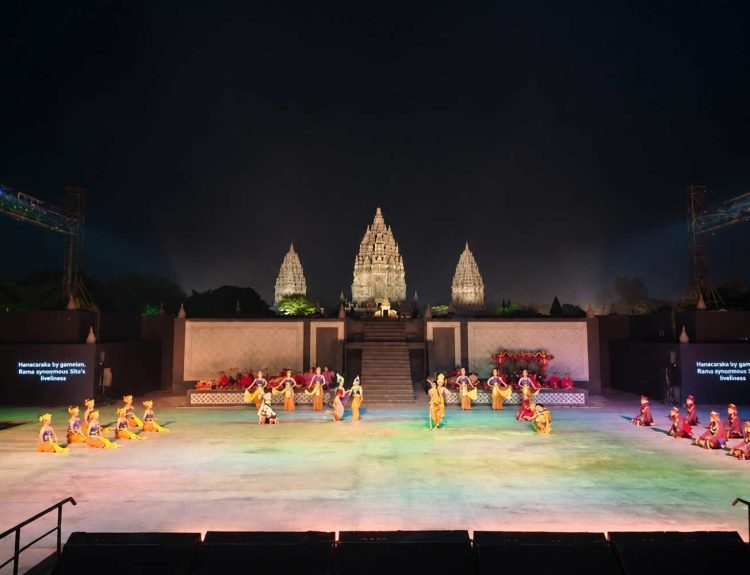
The famous Ramayana Ballet performance near Prambanan also provides an unforgettable way to experience Javanese storytelling.
Best Ways to Explore Prambanan
Travelers should plan their visit carefully to enjoy the best experience.
Early morning visits provide cooler temperatures and better lighting for photography.
Late afternoon also creates a beautiful atmosphere because the sunset highlights the temple structures.
Comfortable footwear is recommended because visitors need to walk around the large temple complex.
For travelers who want a comfortable cultural journey, explore professional Yogyakarta tour services with local guides and customized travel experiences.
Explore the Heritage of Prambanan Temple
A Prambanan Temple Travel Guide reveals why this ancient Hindu monument remains one of Indonesia’s most valuable cultural destinations.
Its history, architecture, and cultural significance create an unforgettable experience for travelers.
Plan your Yogyakarta adventure and explore the timeless beauty of Prambanan Temple.